
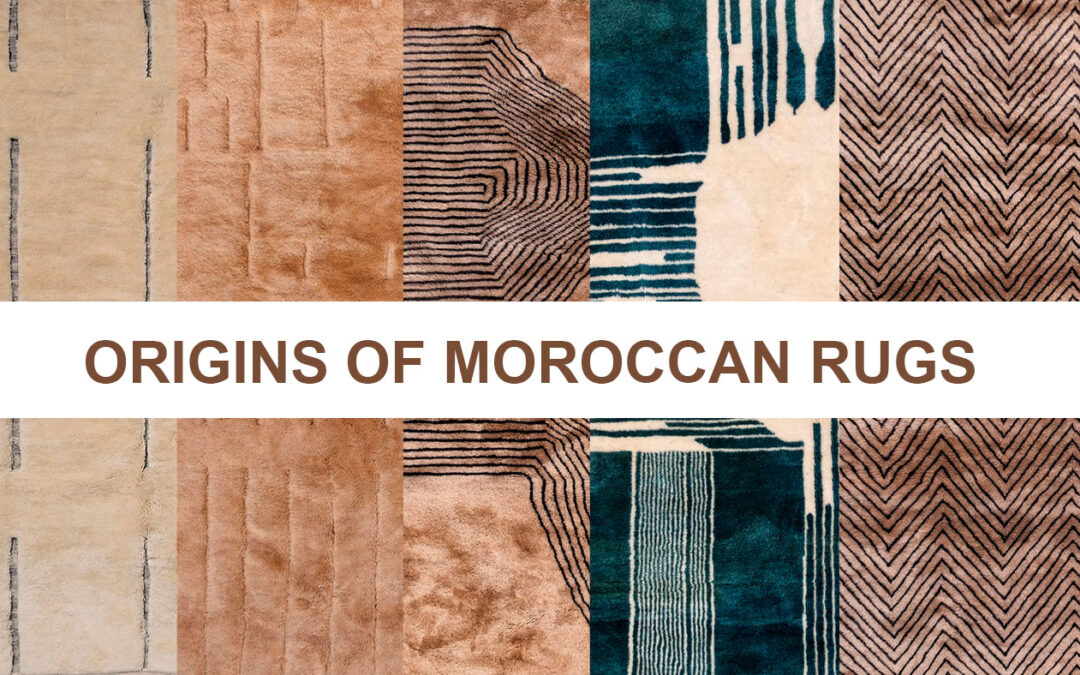
Origins of Moroccan Rugs
A Complete Guide to Understanding Their Differences
When talking about Moroccan rugs, we often think of unique, handmade pieces. But what truly sets them apart? Key factors include geographical origin, weaving technique, patterns, and colors. These elements determine the style, quality, and value of each rug.
Understanding Moroccan Rugs
When talking about Moroccan rugs, we often think of unique, handmade pieces. But what truly sets them apart? Key factors include geographical origin, weaving technique, patterns, and colors. These elements determine the style, quality, and value of each rug.
Among collectors and interior designers, Beni Mrirt and Beni Ouarain rugs are especially prized for their craftsmanship and distinctive look.
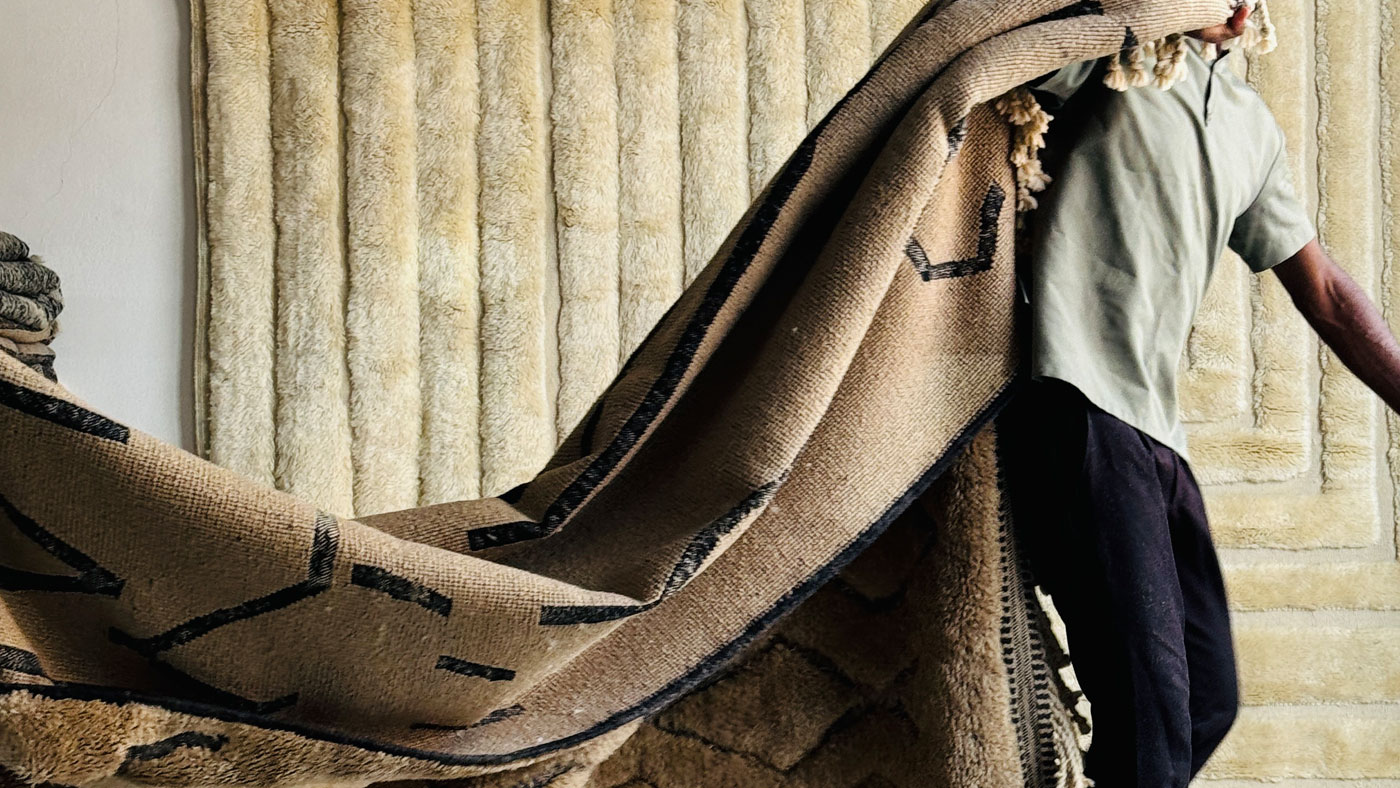
Beni Mrirt Rugs: Fine Weaving from the Middle Atlas
The Beni Mrirt rug is one of the most sought-after Moroccan rugs. Often confused with the Beni Ouarain, it stands out due to its origin: the Middle Atlas region, between Beni Mellal and Khénifra.
- Weaving technique: knotted, with a high knot density that allows for finer, more intricate designs.
- Patterns and colors: light backgrounds (white to cream) with dark motifs derived from Atlas minerals.
- Unique feature: originally made by nomadic tribes, designed for colder climates in the Atlas mountains.


Beni Ouarain Rugs : Geometric Elegance
Originating from the Taza corridor in the Middle Atlas, the Beni Ouarain rug is similar to the Beni Mrirt but distinguished by its geometric patterns and minimalist aesthetic.
- Weaving technique: similar to Beni Mrirt, with slightly lower knot density.
- Main characteristic: distinctive geometric motifs, usually in black on a white or cream background.
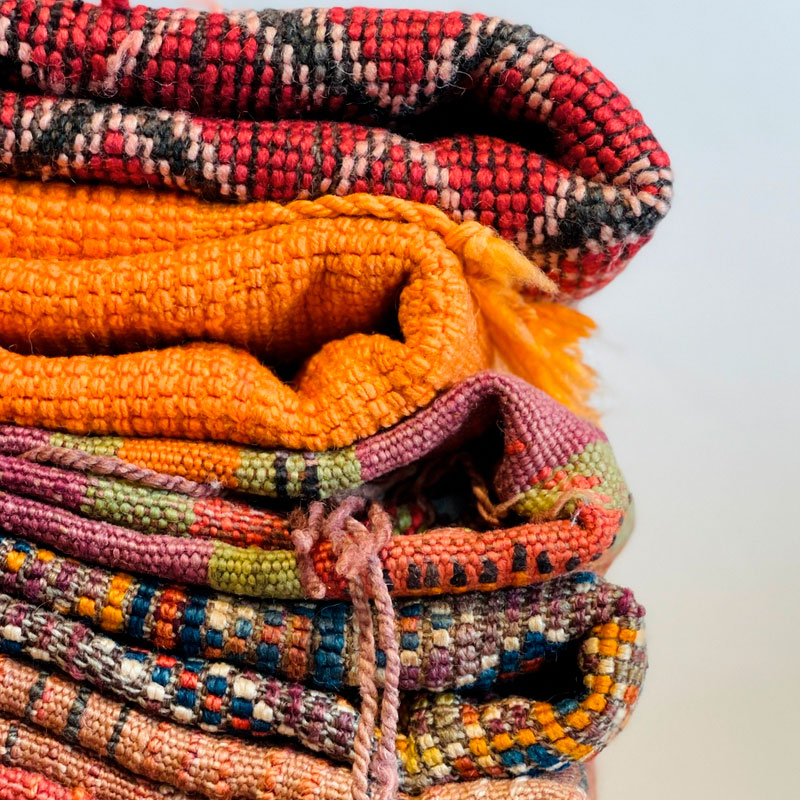
Beni Mguild Rugs :
Colorful Expressions
The Beni M’Guild tribe, located between the Moulouya Valley and the plateaus south of Meknès, produces vibrant and expressive rugs.
- Technique: traditional knotted weaving.
- Pile height: medium.
- Patterns and colors: very varied, offering unique, lively designs.
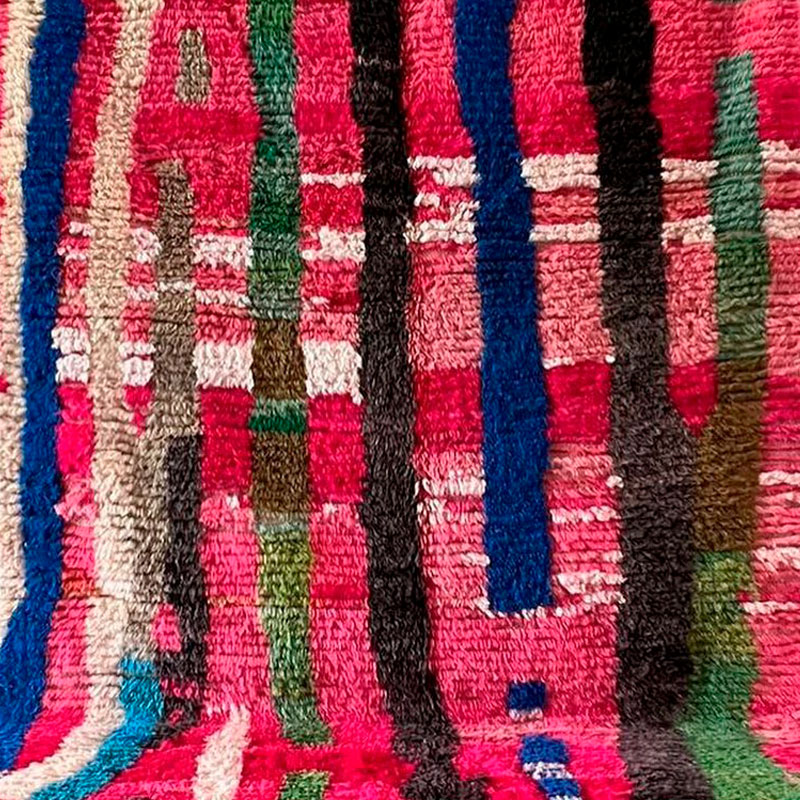
Boucharouite Rugs :
The Art of Recycling
Boucharouite rugs are exceptional for their use of recycled materials, including fabric scraps and cotton.
- Origin: no specific region, crafted across Morocco.
- Style: free-form, modern designs expressing the artisan’s creativity.
- Contemporary use: popular in modern and artistic interior decoration.
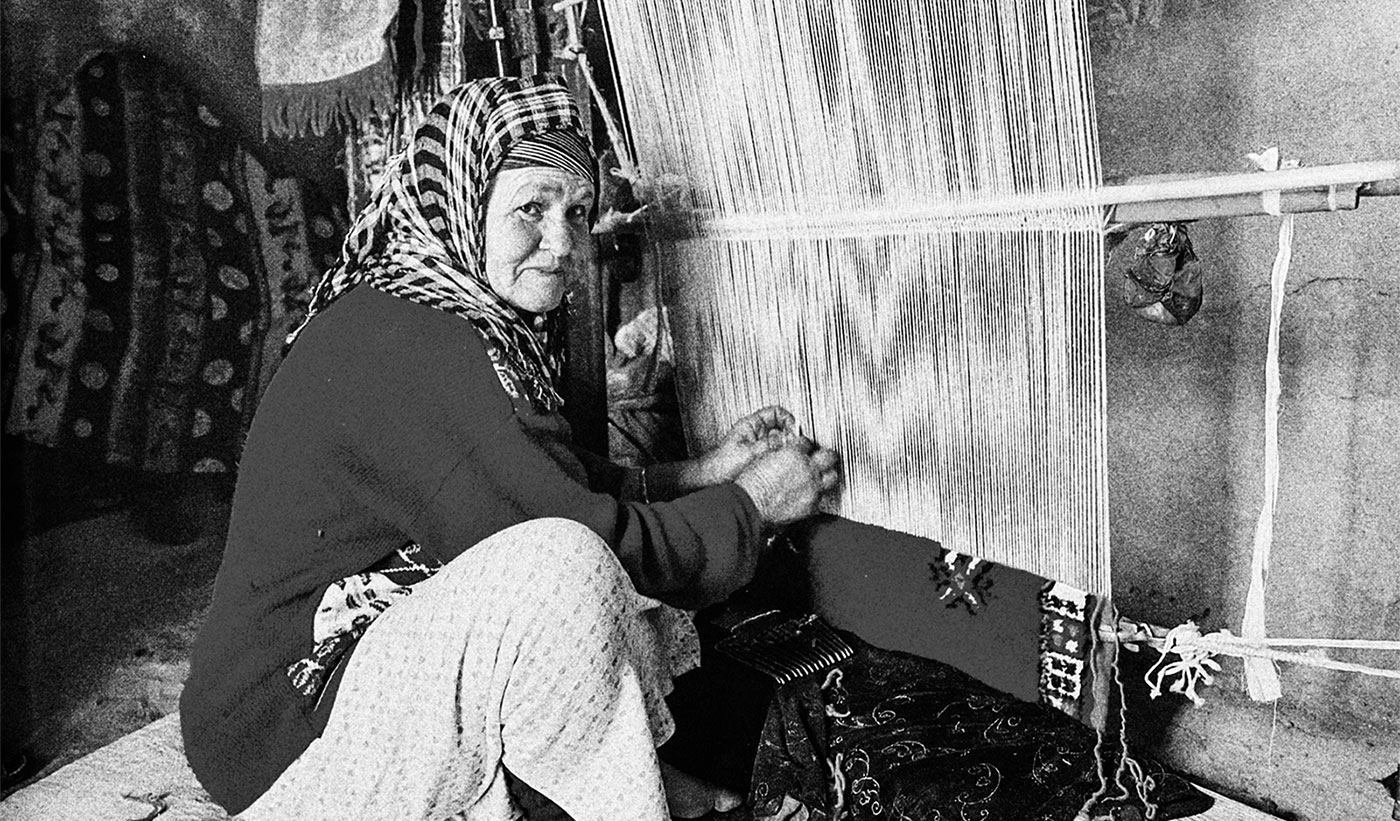
Kilim Rugs :
An Ancient Tradition
Kilim rugs are characterized by flat weaving, without pile. Their origins may date back to Mesopotamia, spreading through Asia to the Maghreb by the 17th century.
- Weaving technique: traditional flat weaving.
- History: used in mosques and nomadic homes.
Other Iconic Moroccan Rugs
- Berber rugs from the Ourika region: traditionally placed in front of tents during festivals, symbolizing celebration and community.
- Boujaad rugs: similar to Boucharouite, crafted with varied materials and free-form designs.
- Zanafi rugs: reversible, mostly black and white, featuring dense kilim weaving to highlight precise, intricate patterns.
Conclusion : Choosing Your Moroccan Rug
Every Moroccan rug reflects a unique culture and artisanal tradition. Whether you are an art lover, collector, or simply looking for a distinctive decorative piece, understanding the differences between Beni Mrirt, Beni Ouarain, Boucharouite, or Kilim rugs will help you make an informed and authentic choice for your home.